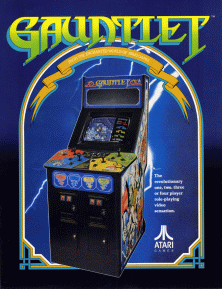
Understanding Run The Gauntlet Gameplay: A Test of Skill and Endurance
In the vast universe of video games, certain phrases evoke a visceral reaction, signaling a specific kind of challenge that pushes players to their limits. "Run The Gauntlet Gameplay" is one such phrase, immediately conjuring images of perilous journeys, relentless adversaries, and a high-stakes dash for survival. While the term might refer to a specific title from the past, it also encapsulates a fundamental gameplay archetype that has transcended genres and generations, becoming a beloved and often maddening hallmark of interactive entertainment.
At its core, Run The Gauntlet Gameplay is about facing a continuous, linear series of obstacles, enemies, or environmental hazards, often with little to no respite. It's a trial by fire, demanding precision, quick reflexes, strategic thinking, and unwavering perseverance. Unlike open-world exploration or puzzle-solving, gauntlet challenges strip away the complexities, focusing intensely on the player's ability to navigate danger under sustained pressure. This article, the third in our series exploring this compelling gameplay style, builds upon insights from Run The Gauntlet Gameplay - Article 1 and Run The Gauntlet Gameplay - Article 2, delving deeper into the nuances that make these experiences so captivating.
The Core Mechanics of Gauntlet Challenges
What defines a true gauntlet experience? It's more than just a difficult level; it's a carefully constructed sequence designed to test a player's mastery across multiple facets. Understanding these core mechanics is key to appreciating the depth of Run The Gauntlet Gameplay.
Continuous Threat Environment
- Relentless Opposition: Enemies aren't just placed; they spawn in waves, patrol dangerous routes, or actively pursue the player, creating a constant sense of urgency. The goal isn't always to defeat every foe, but to navigate past them efficiently.
- Environmental Hazards: Beyond direct enemy attacks, gauntlets are often littered with traps, moving platforms, falling debris, corrosive liquids, or even timed explosives. These elements force players to not only fight but also contend with the very terrain.
- Limited Resources: To heighten the challenge, players often have finite health, ammunition, or special abilities. Resource management becomes critical, forcing tough decisions about when to engage, when to evade, and when to use precious consumables.
Progression Through Danger
Unlike arena combat, gauntlet gameplay emphasizes movement and progression. Players must advance from one point to another, often through narrow corridors, open arenas that quickly become death traps, or treacherous vertical ascents. This forward momentum is what distinguishes a gauntlet from a simple wave-based survival mode. Each segment conquered feels like a small victory, fueling the drive to push further into the unknown.
Strategies for Conquering Any Gauntlet
Whether you're facing a classic arcade-style challenge or a modern interpretation of Run The Gauntlet Gameplay, certain strategies universally improve your chances of success. Mastering these can turn seemingly impossible trials into achievable feats.
- Pattern Recognition and Memorization: Most gauntlets, especially in games that lean into skill-based design, feature predictable enemy behaviors and environmental hazards. Learning these patterns is paramount.
Tip: Don't be afraid to die a few times. Each failure is a learning opportunity to observe and adapt. - Prioritization of Threats: Not all enemies or hazards pose the same immediate danger. Quickly assessing which threats need to be dealt with first, or which can be safely ignored, is a crucial skill. For example, ranged attackers often take precedence over slower melee units.
- Efficient Movement and Positioning: "Running the gauntlet" implies movement. Mastering your character's movement options – dashing, dodging, jumping, or utilizing cover – is often more critical than direct combat. Positioning yourself to minimize exposure while maximizing attack opportunities can make all the difference.
- Resource Management: As mentioned, resources are often scarce. Decide whether to use that powerful bomb now to clear a path or save it for a more formidable obstacle ahead. Every pick-up and every expended resource should be a conscious choice.
- Adaptability and Improvisation: Despite the patterns, unexpected events can occur. A sudden enemy spawn, a missed jump, or a critical hit can throw your carefully planned strategy into disarray. The ability to improvise and react effectively in the moment is a hallmark of a seasoned gauntlet runner.
The Psychological Impact and Enduring Appeal
Beyond the mechanics, Run The Gauntlet Gameplay offers a unique psychological experience for players. The constant pressure, the threat of instant failure, and the cumulative stress build an intense atmosphere that can be both frustrating and incredibly rewarding.
- The Thrill of Survival: There’s a primal satisfaction in overcoming overwhelming odds. Each successful dodge, each enemy dispatched, and each section cleared contributes to a growing sense of accomplishment that few other gameplay styles can match.
- Flow State Immersion: When players are fully engaged in a gauntlet, making split-second decisions and executing perfectly, they can enter a "flow state." This deep immersion makes time melt away and creates a highly focused, almost meditative experience despite the chaos on screen.
- Repeatability and Mastery: Gauntlets often invite repeat play. Players return, not just to beat the challenge, but to refine their technique, improve their time, or achieve a perfect run. This pursuit of mastery adds significant replay value to games featuring these types of challenges.
From the arcade cabinets of the 80s to modern indie sensations, the fundamental appeal of running a gauntlet remains timeless. It taps into our desire for challenge, our joy in overcoming adversity, and our satisfaction in honing skills to perfection.
Designing Effective Gauntlets: A Developer's Perspective
For game designers, crafting an engaging gauntlet is an art form. It requires a deep understanding of player psychology, careful pacing, and meticulous environmental design to ensure the challenge is fair yet formidable.
Pacing and Difficulty Curves
A well-designed gauntlet isn't just a relentless onslaught; it features peaks and valleys. Moments of intense action should be interspersed with brief periods of slightly reduced pressure, allowing players to catch their breath, re-evaluate, and prepare for the next wave. The difficulty should ideally ramp up gradually, introducing new threats or combining existing ones in novel ways, ensuring a consistent learning curve.
Clear Communication and Feedback
Players need to understand the rules of the gauntlet. Clear visual and auditory cues for incoming threats, hazards, and enemy attacks are vital. When a player fails, it should ideally be due to their own misjudgment or lack of skill, not because of ambiguous game mechanics or unclear objectives. Good feedback, whether through death screens or environmental storytelling, helps players learn from their mistakes.
Reward Systems
While the intrinsic reward of survival is powerful, extrinsic rewards also play a significant role. Checkpoints, power-ups, health pickups, or even story progression serve as vital motivators, acknowledging player effort and providing tangible benefits for overcoming sections of the gauntlet. These rewards act as crucial breathing room and encouragement.
Conclusion: The Enduring Thrill of Run The Gauntlet Gameplay
Whether you're facing a dedicated "Gauntlet" mode in an action RPG, navigating a particularly brutal section of a platformer, or enduring a final, desperate dash in a survival horror game, the essence of Run The Gauntlet Gameplay is unmistakable. It’s a design philosophy that champions skill, resilience, and tactical thinking above all else. It's about more than just beating a game; it's about proving your mettle against relentless odds, pushing through frustration, and emerging victorious. The enduring appeal lies in this pure, unadulterated test of player ability, a challenge that continues to captivate and reward those brave enough to step onto the treacherous path and run the gauntlet once more.